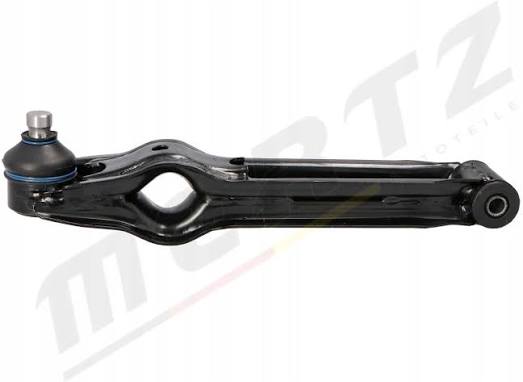
The inspection facility found one of mine worn out at the outter end on my Suzuki Wagon R that uses the type that you uploaded as an image in your posting. An option was a stamped steel arm with the ball end welded onto it, just like the arm pictured. These are made in Poland and appear to be much lighter in weight than the cast iron originals and aftermarket arms. I would have prefered one of these, because they appear much lighter in weight which is preferential for motorsport and ride comfort, since unsprung weight isn’t ideal for chassis dynamics. This is a reason why inboard disc brakes were put into production for vehicles in higher price classes, because unprung weight of both discs and calipers were moved inboard as sprung weight.
The reason as to why I didn’t order this type of arm was because the product images available didn’t show this arm from all sides, leaving me unconfident about how the ball end was secured. It appeared that the welding was minimal which probably was an optical illusion. This is a critical part which you don’t want to have failing. I’ve had a new ball joint pop out of its socket on a 1974 Volkswagen second generation Beetle (curved windscreen and strut front suspension). The loss of control was quite dramatic. I had the option of either purchasing an expensive original ball joint or an inexpensive Mexican replacement part. You can guess which one I chose. Luckilly for me, when I brought the failed ball joint back to the shop where I bought it from, the shop’s owner immediately went to the shelf and brought me the German original, without question, almost as if he started walking to that shelf before I finished my sentence.
I don’t know about Copen arms. But, if they’re as thin as the ones on my L601, that Suzuki arm pictured will be too wide which will require welding-in new mountings.
According to this on-line shop, it dosen’t look like a Copen arm will fit, without replacing the entire sub-frame with that of a Copen:
@Butch_Butcher Im kinda losing whats going on, I dont need this yet, but I want to make 2nd round with Polo coilovers .
I mostly remeber that people torch and angle L700 swaybar, but this seems to be conected to K3 swap and I just miss-matched the info…
Dunno if I choose japanese “tuck+camber” style or bolton overfenders. My biggest issue is rim distance to coilover leg. I cant add camber by caber screws between leg and knuckle, because more camber here makes rim even closer to leg.
Its again getting closer to set of stock legs with lowering springs that polo coilovers fitting…
are you wanting the mount for the knuckle the same as the what the matiz offers like in the pic or are you looking for the nut on the top like the L7? If you looking for the type in the pic then try suzuki swift mk1 1984 to 1983. Thats what I used one my budget track hack but I did 4x114.3 swap and used swift knuckles etc too. This was on an L2 and it retained the L2 swap bar but you had to ratchet strap it to get it in.
Okay, checked Butchs info and new challenger appeared:
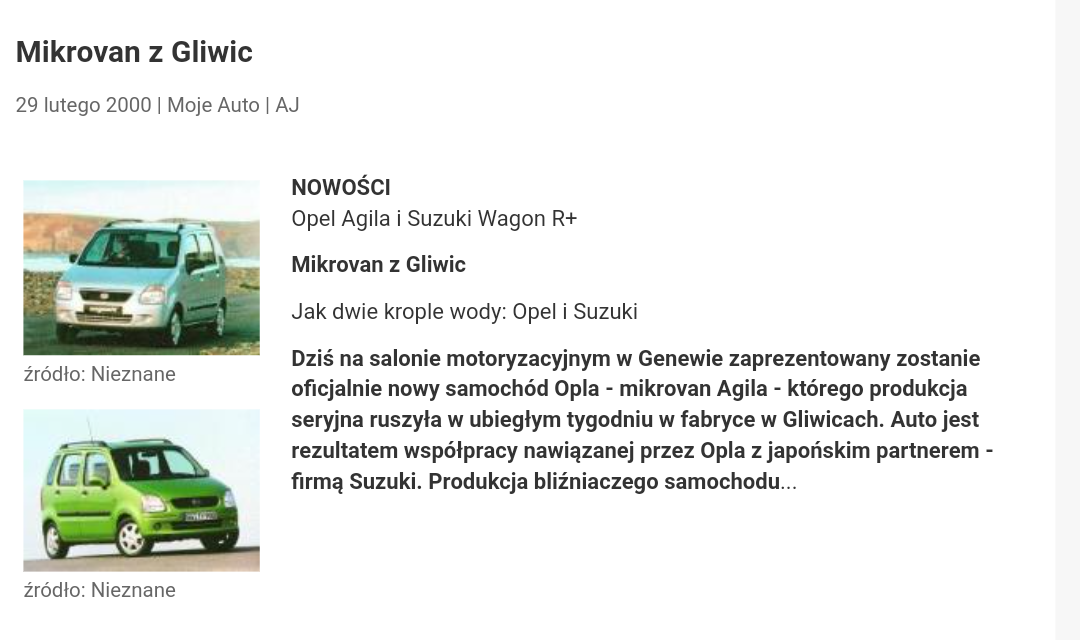
Opel agilla (rebadged WagonR+)
And
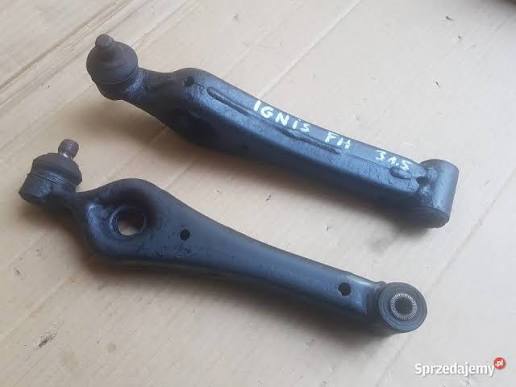
Suzuki ignis
Seems to retain “swaybar as control arm” style front suspension. Many cheaper arms are welded sheetmetal (better for re-welding than cast iron)… but also with unremovable ball joint.
These cars were popular in EU, first gen Agillas are still seen on the streets. Also another funny cheat code to feel Kei Car experience in europe
Anyway, good place to start. This is theoretical thread for now guys, nothing needed for tomorow. I always try to explore possibilities before any cutting will be involved….
Both sheetmetal and cast-iron arms have unremovable ball joints.
Those sheetmetal arms pictured are prone to rust, meaning that they’ll likely rust out in northern weather conditionsbefore they’ll be condemned for wearing out. They appear to be, however, much lighter in weight than cast-iron issues which is an advantage in its own right.
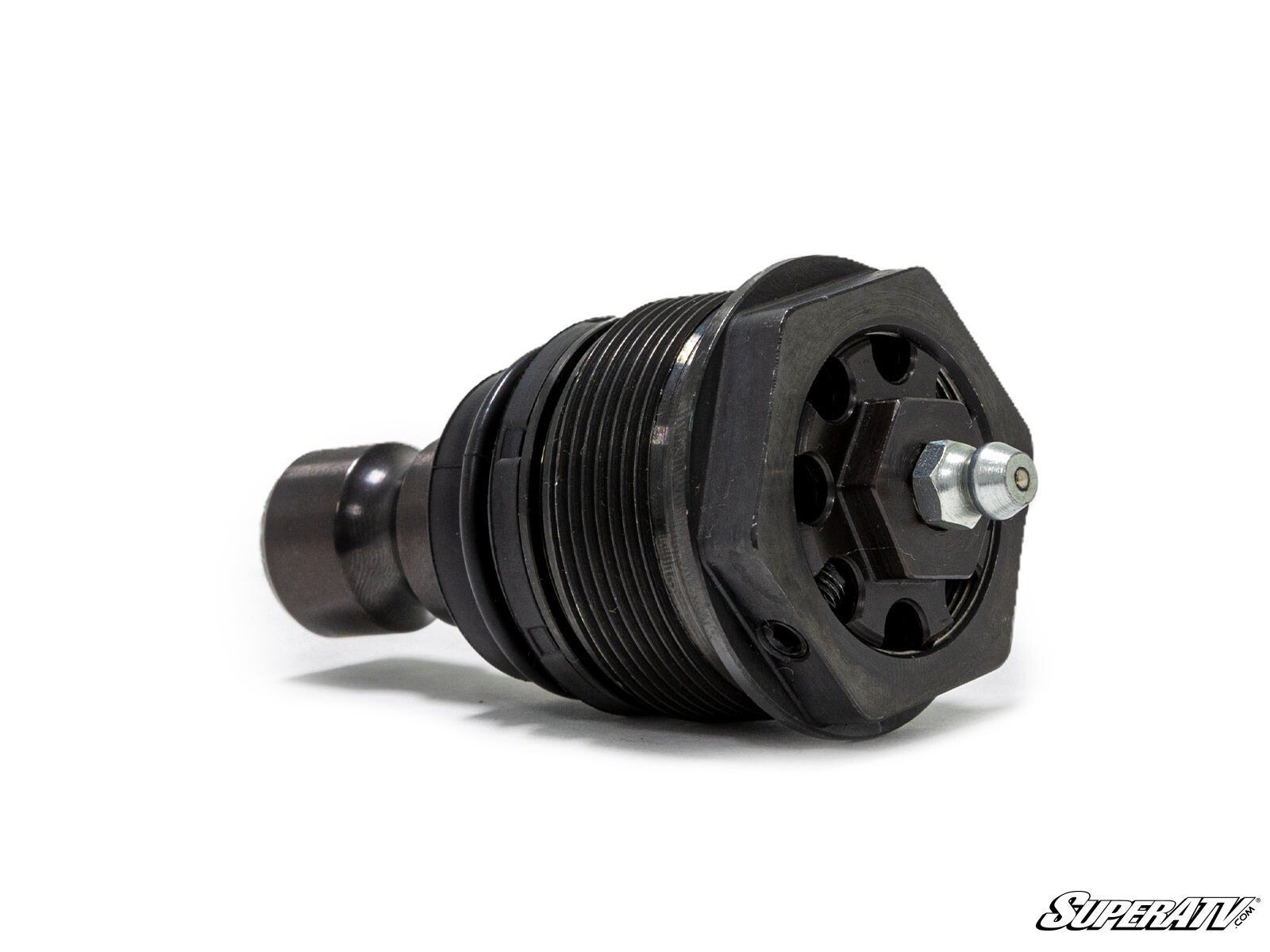
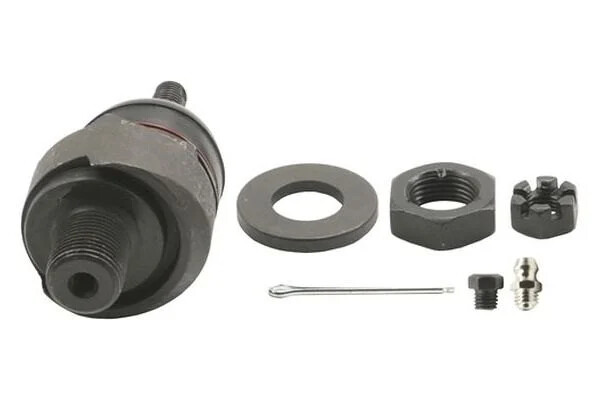
I don’t remember where I used to see threaded ball joint replacements stocked, assuming these were for first generation Volkswagen Beetles. The following would be ideal, saving the time and trouble of needlessly replacing the entire arm:
The main difference between Agilas and Wagon Rs are the drivetrains and a few body bits such as taillight assemblies and headlamps. The Agilas obviously used Opel drivetrains. I’m almost sure that it’s possible to swap out the Opel for a Suzuki drivetrain. As previously mentioned, neither is Kei. However, a Kei version of the first generation Wagon R was manufactured for the Japanese domestic market. It has a missing right-hand rear door and is powered by a 3-cylinder engine using a timing belt. These would be more likely to serve as bit donors, given that the non-Kei Rs are dimensioned somewhat larger
That’s not correct. My point is mostly that the nose is longer and thus the subframe and it’s mounting points differ from the Wagon R.
The suspension bits therefore are often different.
You can’t swap the drivetrain as is, because the subframe doesn’t physically fit in a shortnose.
They’re not as alike as people might think.
And that’s why I replied to OP with this information.
This is a first generation Wagon R, whereas the Opel Aguila was always a first generation of its sort, never having had a Kei version for export to Japan.
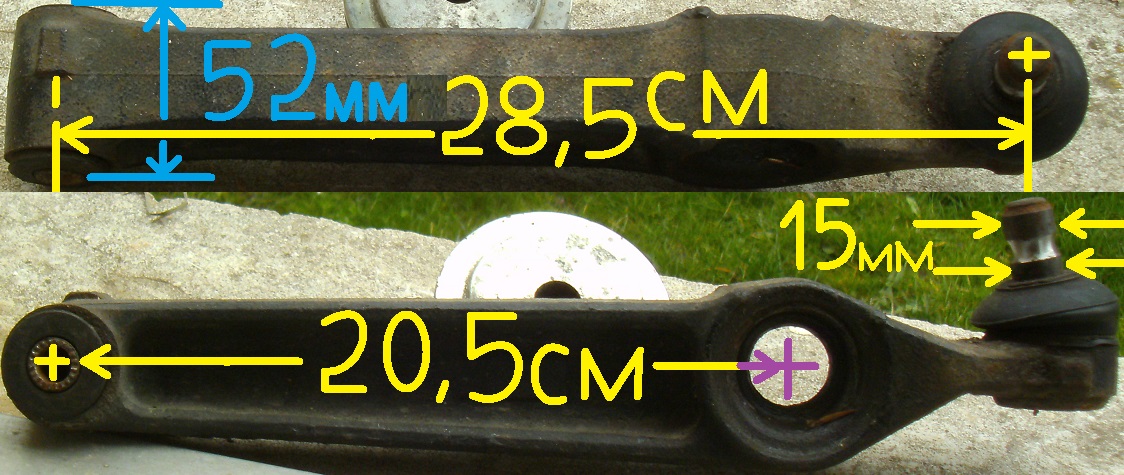
I have images stored of the lower control arm which was replaced and possibly its dimensions on another hard drive, I’ll see if I can find it
660 cc engines were never delivered to Europe. That didn’t stop Europeans, however, from importing Keis powered by 660 cc engines from Japan. Instead, Keis were delivered with larger engines for export markets. My L601 is one of these, having been delivered with an 843 cc engine which would not have met Japanese domestic market mandates
The first generation Wagon Rs were either Kei 3-doors or the non-Kei Wides for export. The second generation Wagon Rs were the +s, having replaced the Wides.
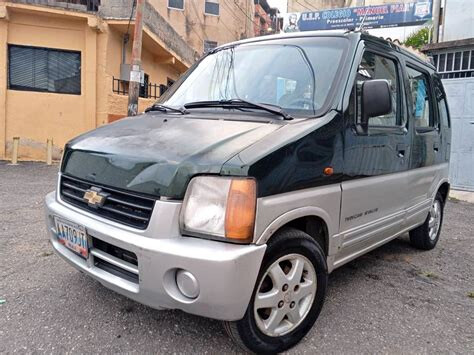
The first generation Wides continued production in Mexico, badged Chevrolet:
Thanks butch, but this is on hold since dug up info that M100 Sirion arms are also longer like copen ones.
Slighty switching to hunt/ modding the swaybar (or other car adapt) instead hacksaw component somewhat crucial for safety (control arms, especially close to knuckle)
Found a few M100 and even copen arms in Poland. Discriptions have many errors (like copen and L700 fitting at the same time)
But maybe Ill hunt down these longer ones from webs.
In this case switching for wider swaybar search. Curently theres only one L700 bar at auctions. Also a bit overpriced. But not happy about torch and bend o widening by welding at center section.
Thought that popular matiz/tico bars will be cheaper…
Yikes! I missed the time that these cars were diyng. Daewoo bars also expensive Even pizza delivery switched to vw’ up/citgo…
Huge downside that M100 was not popular here. M300 sirion is only one visible dai in everyday use by normies.
The one pictured in my last posting was overdimensioned, compared to the control arm fitted onto my L601. Theoretically, I could saw off excess metal on the end which attaches to the subframe, without endangering vehicle safety, if I wanted to mount that Suzuki control arm onto my L601, in order to modify camber
You do realise that all this talk of the suzuki, matiz etc LCA’s all have the wrong ball joint to fit your L7 Hub. The sirion has the same but is far to long as you found out on your FB post.
I really have no idea the direction of where this thread has gone tbh.

 Even pizza delivery switched to vw’ up/citgo…